
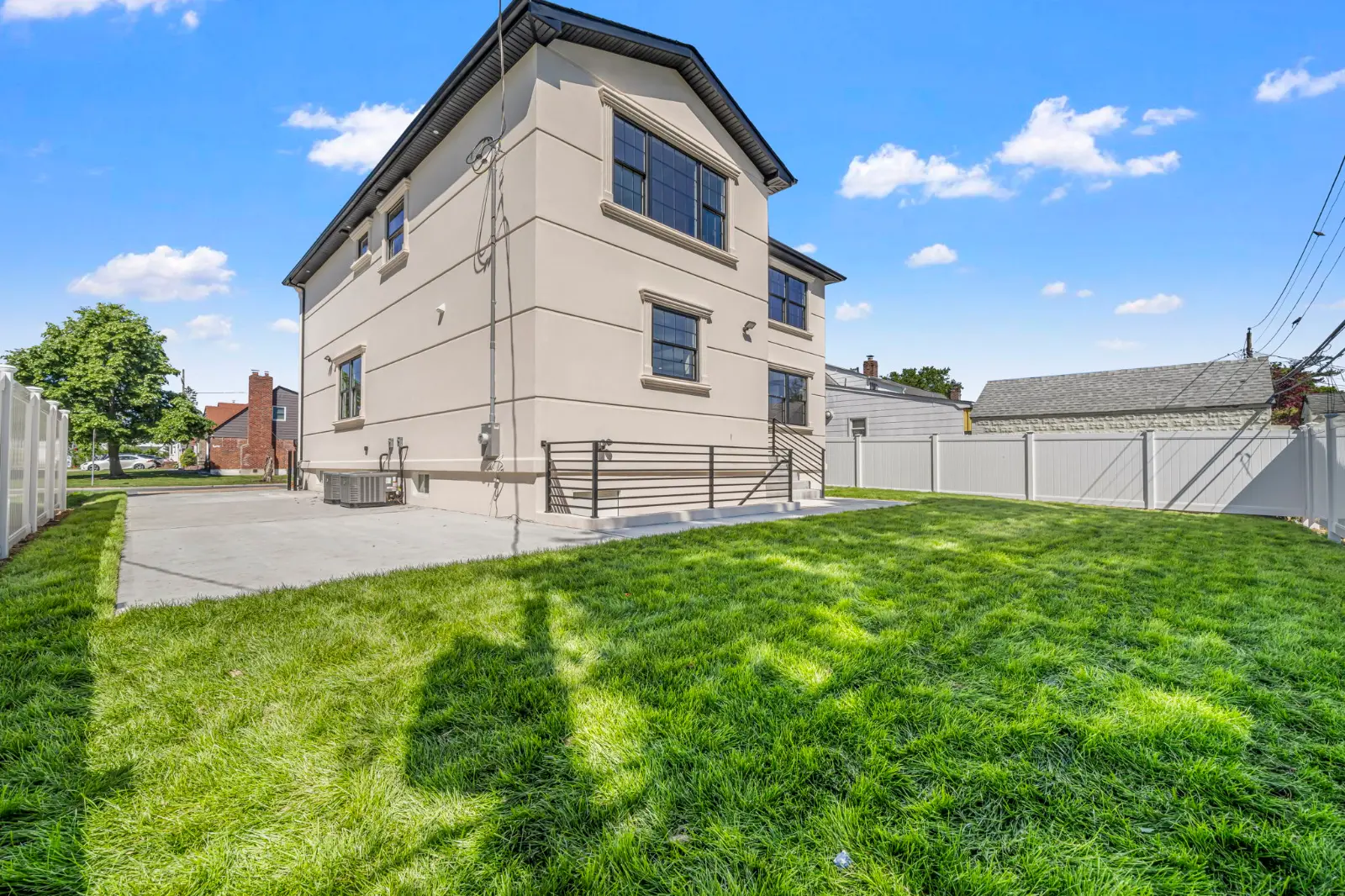
Dormer vs. Home Addition: Which Is Right for Your Long Island Home?
Table of Contents
If your Long Island home is starting to feel too small, you don’t necessarily have to move.
For many homeowners in Nassau County, Suffolk County, and communities across Long Island, expanding the home they already love can be a better solution. But there is an important decision to make first:
Should you build a dormer, or should you add a new section to the house?
A dormer can transform an underused attic or upper floor into comfortable living space. A home addition can expand the footprint of your house and give you room for a larger kitchen, family room, bedroom, bathroom, home office, or other living space.
The right choice depends on your home’s existing layout, your property, your family’s needs, your budget, and the local zoning and permitting requirements that apply to your address.
Here’s what Long Island homeowners should know before making the decision.
Dormer vs. Home Addition: What’s the Difference?
The simplest way to look at the two options is:
A dormer expands usable space within the upper portion of your home.
A home addition expands your home’s footprint or creates new space through a larger structural extension.
Both can add valuable living space, but they solve different problems.
| Key Points | Dormer | Home Addition |
|---|---|---|
| Best for | Attic or upper-floor expansion | Creating new living space |
| Typical use | Bedrooms, office, bathroom, primary suite | Kitchen, family room, bedroom, bathroom, office |
| Uses existing upper space | Yes | Not necessarily |
| Expands building footprint | Usually less | Often |
| Preserves more yard | Often | Potentially less |
| Design flexibility | Moderate | Generally greater |
| Can add bedrooms | Yes | Yes |
| Can expand kitchen | Usually not the primary solution | Yes |
| Can add first-floor living space | Generally no | Yes |
| Suitable for major layout changes | Limited | More flexible |
The important question isn’t simply “Which one adds more square feet?”
It’s:
“What does my family actually need?”
What Is a Dormer?
A dormer is a structure that projects from a sloped roof, creating additional headroom, usable floor area, windows, or a combination of these.
For a Long Island homeowner with an unfinished, cramped, or poorly utilized attic, a dormer can make a dramatic difference.
Depending on the design and property, a dormer renovation may create space for:
- A new bedroom
- A primary bedroom suite
- A home office
- A children’s room
- A bathroom
- A playroom
- Additional storage
- A larger finished attic
Choudhry Builders explains that a dormer can transform roof space into areas with full-height ceilings and additional living space. Its portfolio also includes a Front Dormer Construction & Renovation project in Elmont, NY, which is particularly relevant for homeowners in Nassau County considering this type of project.
When Is a Dormer a Good Choice?
A dormer may make sense when:
- You already have usable attic or upper-floor space.
- Your biggest problem is low or awkward ceilings.
- You need another bedroom or home office.
- You want to preserve as much of your backyard as possible.
- You don’t need a major first-floor expansion.
- You want to improve an underused part of the existing house.
For many Nassau County homeowners, this can be an attractive way to gain living space without automatically pursuing a much larger ground-level addition.
What Is a Home Addition?
A home addition expands your existing house by creating new space beyond the current footprint or by significantly changing the home’s structure.
A Long Island home addition could include:
Rear Home Addition
A rear extension can create space for a larger kitchen, dining area, family room, or open-concept living area.
Side Addition
Where the property and local requirements allow it, a side extension can add bedrooms, bathrooms, offices, or other useful space.
Second-Story Addition
Building upward can provide substantial new living space while potentially preserving more of your yard.
First-Floor Extension
This can be particularly useful when you need a bedroom, office, bathroom, family room, or other space on the main level.
For homeowners searching for home additions guide, the biggest advantage is flexibility. You’re not limited to working within the existing attic or upper floor.
When Should a Long Island Homeowner Choose a Dormer?
A dormer may be the better option if your home’s upper level has untapped potential.
1. Your attic is underused
If you have an attic that is currently unfinished or uncomfortable because of sloped ceilings, a dormer can potentially turn it into useful living space.
Instead of moving to a larger house, you may be able to make the space you already own work better.
2. You need another bedroom
Growing families often reach a point where everyone needs a little more privacy.
A dormer can potentially create space for another bedroom without taking up as much additional yard area as a traditional ground-floor extension.
3. You want a home office
With more homeowners working from home, an unused upper floor can become valuable.
A dormer may create enough headroom and floor area for a dedicated office that is separated from the activity of the main living areas.
4. Your lot doesn’t leave much room for expansion
This can be particularly important on Long Island, where many established neighborhoods have relatively compact residential lots.
If your backyard is already heavily used—or you simply don’t want to sacrifice outdoor space—expanding upward may be worth exploring.
When Is a Home Addition Better?
A traditional home addition may be the better solution when the problem is on the main floor.
Your kitchen is too small
If your family constantly runs into each other in the kitchen, a dormer isn’t going to solve the problem.
A first-floor addition could provide room for:
- A larger kitchen
- An island
- Additional cabinets
- Dining space
- Better circulation
- A more open connection to the family room
Your family needs a larger living area
If your living room or family room feels cramped, a rear home addition can create the space your family actually uses every day.
You need first-floor living space
Some homeowners specifically want a bedroom, bathroom, office, or guest area on the first floor.
A traditional addition generally provides more flexibility for this type of project.
You want to redesign several connected rooms
A larger home extension may allow you to rethink the relationship between your kitchen, dining room, family room, and backyard.
Instead of simply adding a room, you can potentially create a more functional floor plan.
What About a Second-Story Addition?
Don’t overlook the possibility of building upward.
A second-story home addition in Long Island may make sense when you need significant additional living space but don’t want to consume more of your property with a large first-floor extension.
For example, you may be able to create:
- Two or three additional bedrooms
- One or more bathrooms
- A primary suite
- A home office
- Additional hallway or storage space
However, this is a major structural undertaking.
The existing foundation, framing, roof structure, and other components need to be evaluated before deciding whether a second story is appropriate.
Long Island Zoning: What Homeowners Need to Know
This is one of the areas where homeowners should avoid making assumptions.
Long Island does not have one universal residential zoning rule.
Your requirements can depend on whether the property is located in Nassau County or Suffolk County and, more specifically, which town or village has jurisdiction.
Local requirements can affect issues such as:
- Setbacks
- Lot coverage
- Building height
- Existing structure
- Proposed addition size
- Property lines
- Required permits
- Structural requirements
- Plumbing and electrical work
- Required inspections
For example, the Town of Hempstead maintains its own Building Zone Ordinance and Building Department requirements. A homeowner in Elmont, Valley Stream, or another Hempstead-area community therefore needs to evaluate the specific property and applicable local rules rather than assuming that another home’s dormer or addition can simply be copied.
Why Your Neighbor’s Addition Doesn’t Guarantee Yours Will Be Approved
You may see a large dormer or rear extension on a nearby house and think:
“If they were allowed to build that, I should be able to build the same thing.”
Not necessarily.
The neighboring property could have:
- A different lot size
- Different setbacks
- A different existing footprint
- Different zoning circumstances
- Different previous approvals
- Different site conditions
Your property needs to be evaluated on its own.
Nassau County Home Addition and Dormer Considerations
If your home is in Nassau County, contractor licensing is another important consideration.
Nassau County’s Department of Consumer Affairs licenses residential home-improvement contractors, and the county states that contractors performing remodeling work on residential homes in Nassau County must be licensed.
The county’s home-improvement licensing materials specifically include “Dormers/Extensions” among the types of work associated with roofing/siding/dormer work.
Before hiring a contractor for a Nassau County dormer or home addition, homeowners should verify:
- Home-improvement license
- Insurance
- Experience with similar projects
- Written scope of work
- Payment schedule
- Materials included
- Warranty information
- Permit responsibilities
Nassau County also recommends getting important contract details in writing, including the license number, start and completion dates, detailed work description, materials, guarantees, and payment schedule.
Suffolk County Home Addition Considerations
If you’re considering a home addition in Suffolk County, there may be additional property-specific considerations, particularly for homes that rely on private wastewater systems.
Suffolk County provides specific applications for additions, remodeling, conversions, and sanitary upgrades to single-family homes through its Department of Health Services.
Properties within county sewer districts may also require approvals related to sewer connections.
That means a Suffolk County homeowner should not assume that planning a home addition is simply a matter of designing the new rooms.
The existing property and its infrastructure need to be considered as part of the project.
Dormer or Addition? Start With Your Actual Problem
Before contacting a contractor, write down what you want to accomplish.
If you say:
“We need another bedroom.”
A dormer, second-story addition, or home addition could all be possibilities.
“Our attic is wasted space.”
A dormer deserves serious consideration.
“Our kitchen is too small.”
A first-floor home addition may make more sense.
“We need a bigger family room.”
A rear extension may be the better fit.
“We need three bedrooms and two bathrooms.”
You may be looking at a larger second-story addition or substantial home extension.
“We love our house and neighborhood but need more room.”
An addition or dormer could allow you to improve the home instead of going through the cost and disruption of moving.
What Does a Dormer or Home Addition Cost on Long Island?
There is no reliable one-size-fits-all price for a Long Island addition.
The cost can vary considerably based on:
- Project size
- Structural changes
- Foundation requirements
- Roofing
- Windows and doors
- Plumbing
- Electrical work
- HVAC
- Interior finishes
- Kitchen or bathroom fixtures
- Architectural and engineering requirements
- Permit and approval requirements
- Existing condition of the home
- Material selections
A small dormer conversion and a full second-story addition are completely different construction projects.
The same is true of a modest rear extension compared with a whole-house expansion.
Instead of relying on a generic online price, homeowners should get a project-specific evaluation and detailed proposal.
How Choudhry Builders Can Help With Your Long Island Home Expansion
Choosing between a dormer and home addition can be difficult when you’re trying to evaluate the possibilities yourself.
That’s where Choudhry Builders can help.
Choudhry Builders is based in Elmont, NY, and its current website lists expertise in new construction, extensions, dormers, renovation, and complete home improvement. Its project portfolio includes work in Elmont, Valley Stream, Malverne, and Nassau County.
That local project experience matters because every Long Island property presents different challenges.
Choudhry Builders can help you explore:
Dormer Construction
Turn underused upper-level or attic space into functional living areas.
Home Additions
Create additional bedrooms, bathrooms, kitchens, family rooms, offices, and other living areas.
Home Extensions
Expand the existing structure when your family needs more room.
Second-Story Projects
Explore the possibility of expanding upward when your property has limited room for outward growth.
Complete Home Remodeling
Coordinate an addition or dormer with improvements to the existing house so the finished project feels cohesive.
More importantly, the goal is to find the right solution.
Choudhry Builders’ own FAQ addresses the common homeowner question of whether to move or improve, explaining that renovation can be an alternative for homeowners who like their existing home, neighborhood, and school district. The company says its staff works with homeowners to determine how much space they need and identify an economical and aesthetically pleasing approach.
That is exactly how you should approach a home expansion project.
Don’t start with:
“How big of an addition can I build?”
Start with:
“What does my family need from this house?”
Then determine the most practical way to create it.
Explore Choudhry Builders’ home remodeling and construction services
Why Work With a Local Long Island Builder?
A local builder can bring valuable familiarity with the types of homes and renovation projects common throughout Nassau and Suffolk County.
For a project such as a dormer, extension, or home addition, you want a team that understands that the construction itself is only part of the process.
You also need to think about:
- Existing home conditions
- Local requirements
- Project design
- Structural changes
- Permit coordination
- Construction sequencing
- Material selection
- Interior finishing
- How the new space will connect with the existing home
Choudhry Builders’ project portfolio provides examples of residential construction and renovation work in communities including Elmont, Valley Stream, Malverne, and Nassau County, giving Long Island homeowners a useful starting point when evaluating a local remodeling partner.
Frequently Asked Questions About Dormers and Home Additions on Long Island
Is a dormer cheaper than a home addition?
Not necessarily.
A dormer can sometimes be a more efficient way to create additional upper-level living space, but the cost depends on the home’s existing structure, dormer size, roofing, interior work, plumbing, electrical requirements, and finishes.
A professional evaluation is the best way to compare the two options for your property.
Do I need a permit for a dormer in Long Island?
A dormer is a structural change to a home, so homeowners should not assume that construction can begin without approval.
Permit and zoning requirements depend on the property’s municipality and the scope of work. Check with the appropriate local building department before construction begins.
Can I add a dormer to any Long Island house?
Not necessarily.
The existing roof structure, house design, property configuration, zoning requirements, setbacks, building height, and other factors can affect what is possible.
A professional evaluation should come before committing to a design.
Is a dormer considered an addition?
A dormer creates additional usable space and can be treated as an extension or addition for regulatory and construction purposes, depending on the project and local requirements.
The exact classification and approvals should be confirmed with the municipality having jurisdiction over the property.
Can a dormer add a bedroom?
Yes, a properly designed dormer can potentially create enough usable space for an additional bedroom, subject to applicable building, zoning, egress, ceiling-height, light, ventilation, and other requirements.
Is a home addition worth it in Nassau County?
For many homeowners, adding space can be an attractive alternative to moving, particularly when they already like their neighborhood and existing property.
Whether it makes financial and practical sense depends on the project cost, the home’s existing condition, the amount of space being added, and your long-term plans.
What should I ask a Long Island contractor before hiring them?
Ask about licensing, insurance, similar projects, permits, project timeline, materials, payment schedule, warranties, and exactly what is included in the contract.
If your property is in Nassau County, verify the contractor’s home-improvement license before signing a contract. Nassau County provides a license lookup and advises homeowners to verify licensing and complaint information.
Should I build a dormer or move to a larger house?
If you like your current Long Island home, neighborhood, location, and community but have simply outgrown the house, a dormer or home addition may be worth exploring before deciding to move.
The right choice depends on how much additional space you need and what your property can accommodate.
Final Decision: Dormer or Home Addition?
For a Long Island homeowner, the answer comes down to where you need the space and what your property can support.
Choose a dormer when your biggest opportunity is upstairs and you want to transform underused attic or upper-level space.
Choose a home addition when you need more first-floor living space, a larger kitchen, a family room, additional bedrooms, or greater flexibility in your home’s layout.
Consider a second-story addition when you need substantial additional space but want to preserve as much of your yard as possible.
And before making a final decision, have the property evaluated and confirm the applicable local zoning, permit, structural, and infrastructure requirements.
Ready to Explore Your Options?
If you’re a homeowner in Elmont, Valley Stream, Malverne, Nassau County, Suffolk County, or elsewhere on Long Island, Choudhry Builders can help you explore whether a dormer, home addition, extension, or another remodeling approach makes the most sense for your home.
Rather than starting with a predetermined design, start with your family’s needs.
Tell Choudhry Builders what isn’t working about your current home, how much additional space you need, and how you want to use it. From there, you can explore a practical plan for turning your existing Long Island home into a space that works better for your family.
Contact Choudhry Builders to discuss your Long Island home addition or dormer project
Recent Posts

Do You Need a Permit for a Home Addition in Nassau County?
7 Things to Know Before Building a Home Addition in Elmont, NY Table of Contents Need more room in your Elmont home but don’t
Dormer Vs Home Addition Complete Guide – Long Island NY
Dormer vs. Home Addition: Which Is Right for Your Long Island Home? Table of Contents If your Long Island home is starting to feel
Things to Know Before Building a Home Addition
7 Things to Know Before Building a Home Addition in Elmont, NY Table of Contents Need more room in your Elmont home but don’t want